Can sleep apnea be reversed?
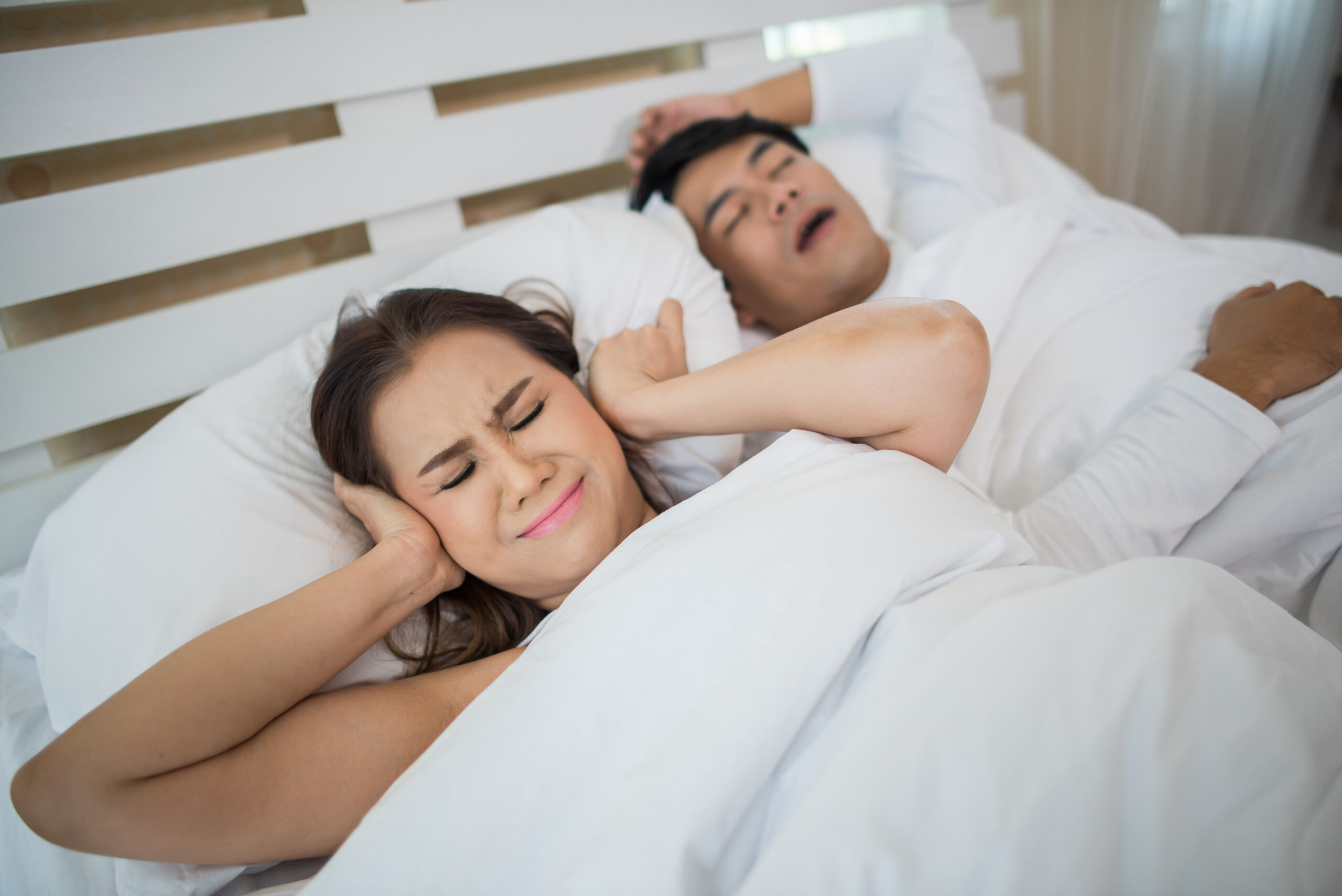
A diagnosis of sleep apnea can be a daunting experience. The thought of a lifelong condition that disrupts sleep, affects daily energy, and poses serious health risks can be overwhelming.
Dr. Peter Baptista Jardin is an ENT Surgeon in Dubai, specializing in the treatment of sleep apnea. As an ENT specialist who focuses on sleep medicine, he frequently receives the question, “Is sleep apnea reversible?” A complete reversal is generally impossible, but proper treatment and lifestyle changes can significantly reduce the condition.
While sleep apnea is generally considered a chronic condition, its symptoms can be dramatically improved, managed, and, in some cases, even eliminated. For many individuals, the underlying causes of airway obstruction can be effectively addressed by combining lifestyle modifications with targeted medical interventions.
It is rare for adults to experience sleep apnea disappearing on its own, but with the right approach and guidance, its impact on life can be profoundly reduced.
Understanding the roots of sleep apnea
To determine if sleep apnea is reversible, we must first investigate its underlying causes. Obstructive sleep apnea (OSA), the most common form, occurs when the muscles in the back of your throat relax excessively during sleep, causing the soft palate, uvula, and tongue to collapse and block the airway.
This leads to a repeated interruption of breathing, a process that can happen hundreds of times a night. The primary factors contributing to this collapse include:
- Excess weight: Excess tissue in the neck and throat can narrow the airway, which is why obesity is a significant risk factor.
- Anatomical issues, such as a naturally narrow throat, a deviated septum, enlarged tonsils, a large tongue, or a small jaw, can all contribute to airway obstruction.
- Lifestyle choices: Smoking, alcohol, and some medications are factors that can worsen the condition.
Given these causes, the path to reversing or, more accurately, resolving sleep apnea symptoms involves addressing the specific issue.
For example, an enlarged tonsil or adenoid is often the cause in children, and their removal can lead to a complete cure. Adults’ situation is more complex, but a personalized and comprehensive treatment plan can achieve life-changing results.
The Role of an ENT Specialist in Sleep Apnea Treatment
As an ENT specialist, Dr. Peter Baptista focuses on the anatomical and structural issues of the upper airway that contribute to sleep apnea. He aims to identify and address these problems to provide a more permanent solution.
Treatment plans are always tailored to the individual patient’s needs, with options spanning from conservative care to surgical procedures.
- Lose weight: Losing excess weight can be highly effective for many with sleep apnea. Approximately half of those with the condition are overweight, and the extra tissue in the throat associated with a higher body mass can make breathing more difficult.
- Avoid alcohol and sleeping pills: Alcohol and sleeping pills can cause the muscles in your throat to relax excessively, which may lead to airway blockage.
- Try a different sleep position: To avoid worsening your sleep apnea, try to avoid sleeping on your back. A simple way to encourage side-sleeping is to place two tennis balls in a sock and pin them to the back of your pyjamas, making rolling over uncomfortable.
- Quit smoking: Smoking can lead to swelling in your upper airway, which in turn can make snoring and sleep apnea worse.
- Treat allergies: Untreated nasal allergies can cause your airway tissues to swell, making breathing more difficult and narrowing your air passages.
If lifestyle changes aren’t enough to manage your sleep apnea, Dr. Peter Baptista may recommend a machine to help you breathe more effectively at night. These devices are designed to keep your airway open using air pressure, with different types available to meet your needs.
- CPAP: Continuous Positive Airway Pressure. A CPAP machine is the most common and effective treatment for sleep apnea. It delivers a constant flow of pressurized air through a mask, keeping the throat open to ensure uninterrupted breathing all night.
- BiPAP: Bi-level positive airway pressure. BiPAP machines offer a more dynamic approach, providing two different pressure settings: a higher one for inhalation and a lower one for exhalation. This is often prescribed for patients who find CPAP difficult to tolerate.
- APAP: Automatic Positive Airway Pressure: APAP machines are an advanced form of therapy that automatically adjust air pressure in real-time. Unlike a fixed-pressure CPAP, an APAP responds to your body’s changing needs throughout the night, delivering only the necessary pressure to keep your airway open.
Oral appliances offer a low-tech alternative to breathing machines for those with mild to moderate obstructive sleep apnea (OSA). These devices are similar to a sports mouthguard and are custom-fitted by a dentist or sleep specialist.
A mandibular advancement device (MAD) is the most common type, which repositions the lower jaw slightly forward. This movement pulls the tongue and other soft tissues away from the back of the throat, keeping the airway open.
Symptoms include:
- Bad breath
- Headache
- Crankiness
- Low or high-grade fever
- Swelling around the eyes
- Pressure or pain in the face
If your child experiences prolonged discomfort, consulting a pediatric ENT is recommended. They can provide effective treatment, addressing both symptoms and the root cause for a quicker recovery.
Surgery may be a viable solution for sleep apnea in cases where non-surgical options have not provided relief or when an underlying physical condition is the root cause. This is often the case for individuals with enlarged tonsils, a small lower jaw, or a deviated nasal septum.
Dr. Peter Baptista will perform a series of tests, which may include endoscopic procedures or scans (X-rays, CT, MRI), to pinpoint the exact location of the blockage before recommending the most appropriate surgical option.
Contact With Us


How long will it take to reverse damage from sleep apnea?
This is a critical question for many patients. The time it takes a person to recover can depend on both the duration and severity of their condition. Sleep apnea causes chronic bodily damage, including increased stress on the cardiovascular system and impaired cognitive function.
While a CPAP machine or successful surgery can immediately stop breathing disruptions, the healing process for the body’s systems is gradual. After just a few weeks or months of consistent and effective treatment, most patients report a significant boost in their energy, concentration, and mood.
However, reversing long-term damage to the heart, brain, and other organs can take years. Consistent and ongoing management is crucial to achieving a full recovery and a healthier, longer life.
While we may not use the word “cure” for adult sleep apnea, the ability to effectively manage, treat, and in some cases, fully resolve the symptoms is a reality. The journey begins with a proper diagnosis and a personalized treatment plan.
As a leading ENT specialist in sleep medicine, Dr. Peter Baptista is committed to helping patients breathe and sleep better, restoring their quality of life.
If you have concerns about sleep apnea, it is essential to consult a professional to discuss the available treatment options. Book an appointment now.
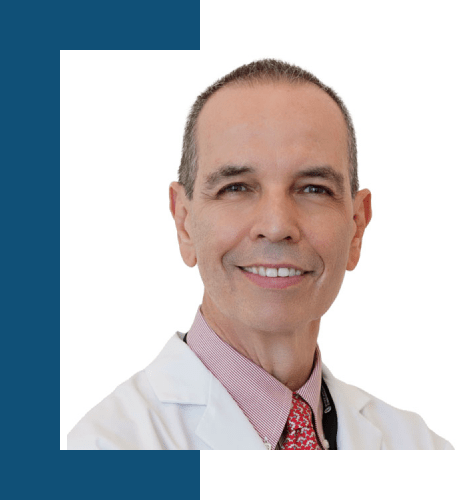
Dr Peter Baptista Jardin
European Board Certified ENT Doctor In Dubai
Dr. Peter Baptista Jardin is an ENT specialist with a special interest in treating sleep apnea. He is a revered expert in Spain for performing the first ever robotic transoral surgery in 2011, and the only series of hypoglossal nerve stimulation proved revolutionary for obstructive sleep apnea treatment worldwide. He currently serves as an ENT doctor in Dubai’s Al Zahra Hospital.