How a Deviated Septum Impacts Your Breathing

Imagine breathing through a pinched straw – that’s often the life of someone with a deviated septum!
Nearly 80% of people have some degree of nasal septum deviation, but only severe cases produce noticeable deviated septum symptoms. |
If you feel congested, breathe through your mouth, or experience frequent nosebleeds, you may be dealing with deviated septum symptoms. When the nasal septum is bent or displaced, it blocks the nasal passage. The blocked nasal passage or deviated septum reduces airflow and impacts breathing.
Recognizing the deviated septum breathing problems is the first step to achieving respiratory health and improving sleep quality.
What is a Deviated Septum?
Nasal Septum Anatomy – The nasal septum is made of bone and cartilage that divides the two nostrils. It’s more than just a divider; the nasal septum plays a critical role in humidifying and filtering the air we breathe.
Nasal Septum Deviation – The nasal septum should be perfectly centered, allowing for smooth airflow through both nasal passages. However, in many individuals, it’s slightly off-center — a condition known as nasal septum deviation.
How nasal septum deviation impacts breathing – A severely deviated septum causes airflow reduction, which can lead to inflammation of the nasal lining, chronic mucus accumulation, post-nasal drip, and a persistent feeling of nasal congestion.
What are the causes of deviated septum? - How does it start?
The causes of a deviated septum include several reasons,
- Genetics – due to inherited issues or complications during the delivery.
- Aging – people don’t recognize a deviated septum until they’re older. Aging weakens cartilage, leading to bends and deformations.
- Trauma – due to an accident, a fall, or an injury leading to nasal damage.
- Infections – whether viral or bacterial inflame the nasal passages.
Deviated Septum Symptoms - How Does It Feel?
A minor bend doesn’t create much of a problem, but a severely deviated septum can affect your daily life. You might experience,
- Difficult to breathe – Nasal misalignment makes it harder to breathe through one or both nostrils.
- Nosebleeds – A Curved or deviated septum dries out the nasal passage, leading to frequent nosebleeds.
- Dry mouth – When the nose is blocked, you breathe through your mouth, which can lead to bad breath.
- Poor sleep quality – shortness of breath during night or sleep apnea due to blocked nose.
- Headache – pressure buildup in the sinuses leads to headaches
- Snoring – nasal congestion results in loud breathing and snoring
- Nasal congestion – pressure buildup leads to frequent headaches and makes the face painful.
If you have any of these deviated septum symptoms, it’s essential to consult a qualified ENT specialist. Failing to attend an ENT consultation will significantly impact your sleep quality and oxygen intake.
Deviated Septum Treatment Options - Restore your Breathing Naturally
For mild symptoms, Dr. Peter Baptista, ENT Surgeon in Dubai, considers conservative measures such as,
- Decongestants to reduce swelling
- Nasal corticosteroid sprays
- Antihistamines for allergy-related congestion
However, the most effective and permanent deviated septum treatment is septoplasty, a surgical procedure that corrects and straightens the septum.
Septoplasty Surgery - The Definitive Deviated Septum Treatment
Septoplasty surgery straightens the nasal septum deviation through meticulous steps,
Step 1 – Imaging, multi-angle CT scans map the exact deviation.
Step 2 – Incision, The ENT surgeon makes a small incision in the nose to access the deviated cartilage and bone.
Step 3 – Reshaping, The bent portions are carefully reshaped or removed, and the septum is repositioned to restore normal airflow
Step 4 – Closure, Dissolvable sutures; no nasal packing required.
A renowned septoplasty specialist in Dubai, Dr. Peter Baptista, pioneered robotic-assisted ENT techniques in Europe. Utilizing innovative surgical ideas, he minimizes trauma, accelerates healing, and ensures optimal airflow post-deviated septum surgery.
Recovery after Deviated Septum Surgery
After undergoing deviated septum surgery, patients can expect mild congestion or nasal stuffiness for approximately one to two weeks.
Post-operative instructions for quick recovery,
- Avoid blowing your nose
- Refrain from physical activities or heavy lifting
- Cough or sneeze with mouth open
- While sleeping, keeping your head elevated to reduce swelling
- Take medications as prescribed by the surgeon
The Life-Changing Benefits of Deviated Septum Surgery
Effortless breathing | Fewer sinus infections | Enhanced smell and taste | Better sleep quality |
Restores natural nasal breathing | Proper drainage prevents sinus inflammation | Improve sensory perception | Reduce snoring and restful sleep |
Why Dr. Peter Baptista for Septoplasty Surgery in Dubai?
Renowned for his groundbreaking work in ENT and sleep apnea treatment, Dr. Peter Baptista Jardin is recognized internationally for performing Spain’s first robotic transoral surgery and pioneering hypoglossal nerve stimulation.
✔️Combining advanced imaging techniques and robotics in septoplasty surgery.
✔️Being an ENT specialist, address ENT issues that impact sleep.
✔️Patients have realistic expectations with detailed pre-op consultations.
✔️Several successful septoplasty surgeries have resulted in satisfied patients.
Consult Dr. Peter Baptista - Septoplasty Specialist in Dubai
Restore optimal nasal function and overall well-being with Dr. Peter Baptista. Discover how personalized treatment can help restore your breathing comfort and improve your sleep quality.
Restful nights and vibrant days ahead – Book your consultation with Dr. Peter Baptista today!
FAQ
A deviated septum can occur by birth or due to an injury, infection, or facial trauma.
The surgery is performed under local or general anesthesia, where patients experience minimal discomfort during the procedure.
Common signs include nasal blockage, snoring, facial pain, and chronic mouth breathing.
Initially, patients return to work within 1–2 weeks; however, full healing may take up to a month
Dr. Peter combines advanced surgical techniques with years of expertise in ENT and sleep medicine, ensuring safe and lasting results for each patient.
Yes, correcting nasal obstruction through septoplasty often helps reduce symptoms of snoring and sleep apnea.
Contact With Us

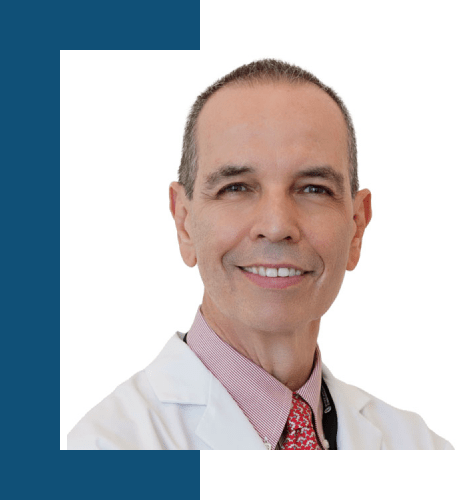
Dr Peter Baptista Jardin
European Board Certified ENT Doctor In Dubai
Dr. Peter Baptista Jardin is an ENT specialist with a special interest in treating sleep apnea. He is a revered expert in Spain for performing the first ever robotic transoral surgery in 2011, and the only series of hypoglossal nerve stimulation proved revolutionary for obstructive sleep apnea treatment worldwide. He currently serves as an ENT doctor in Dubai’s Al Zahra Hospital.